What Is New York Labor Law 240 and How Does It Protect Injured Workers?
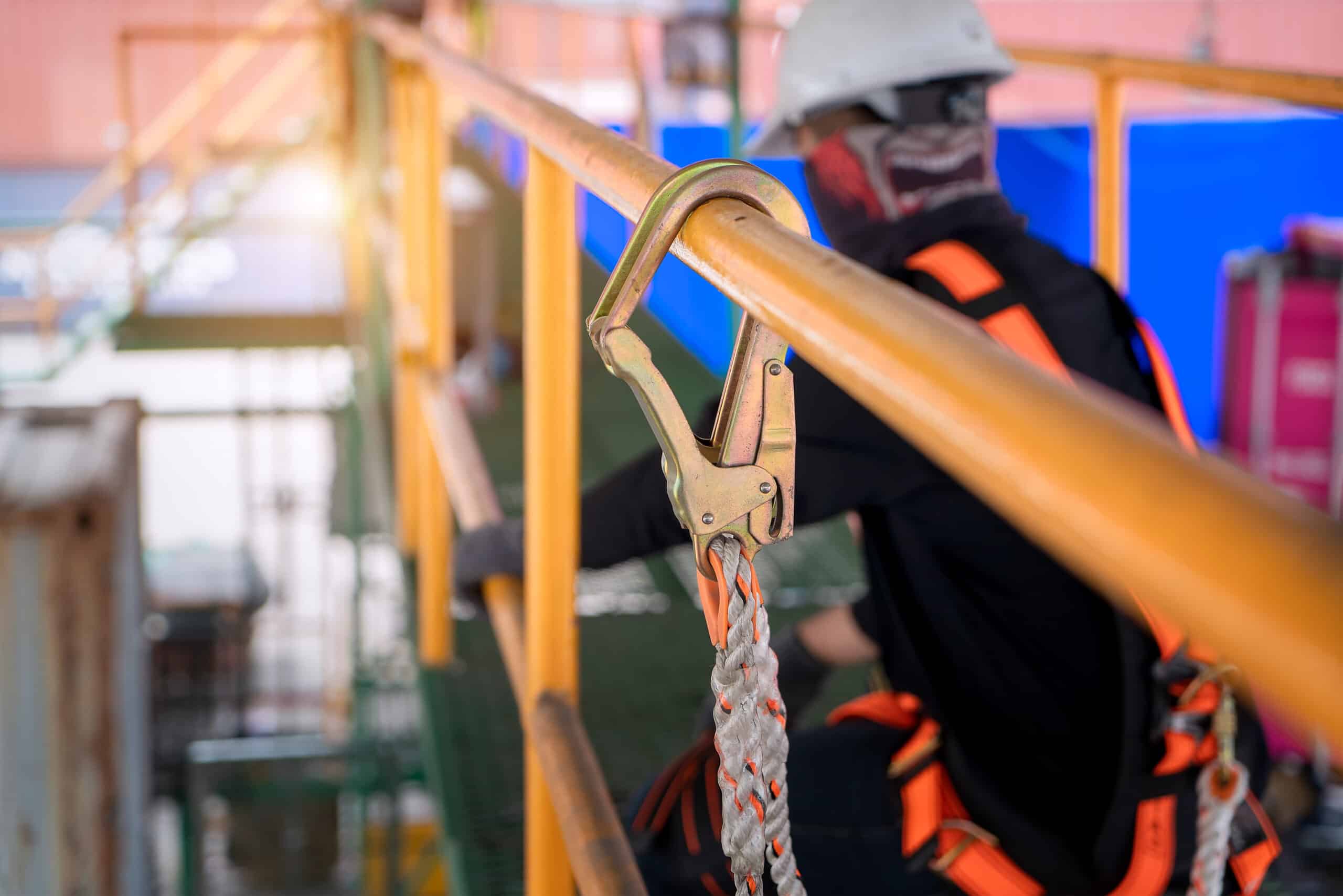
Legally Reviewed by Mark GrayA worker steps onto a scaffold six stories above Manhattan, trusting that the platform beneath them will hold. When it does not, the fall can end a career or a life in seconds, and the question of who pays for that failure often comes down to a single piece of state law.
Gray Injury Law has spent nearly three decades helping construction accident victims across Manhattan hold negligent property owners and contractors accountable, and New York Labor Law 240 is one of the strongest tools we use to do it. Also known as the Scaffold Law, this statute gives injured workers a direct path to compensation when they are hurt falling from a height or struck by a falling object on the job.
What Does Labor Law 240 Actually Say
Labor Law 240 places direct responsibility on contractors, owners, and their agents to furnish scaffolding, hoists, ladders, slings, ropes, and other safety devices for workers performing construction, demolition, repair, alteration, painting, or cleaning on a building or structure. The text of the statute requires that this equipment be constructed, placed, and operated to give proper protection to the person using it.
What sets this law apart from ordinary negligence claims is the standard it applies. Courts have interpreted Labor Law 240 as imposing what is often called absolute liability on the property owner and general contractor when a height-related safety violation causes an injury. That means we do not have to prove the owner acted carelessly in a general sense, only that the required safety equipment was missing, broken, or inadequate, and that the failure caused the fall or falling object accident.
This distinction matters because construction sites involve layers of contractors, subcontractors, and property owners, each of whom may try to point to someone else. Labor Law 240 cuts through that by holding owners and general contractors responsible regardless of who was technically supervising the specific task at the moment of injury.
Who Is Covered Under the Scaffold Law
The Scaffold Law applies to workers engaged in the erection, demolition, repairing, altering, painting, cleaning, or pointing of a building or structure. That definition reaches beyond office towers and apartment buildings to include bridges, water towers, and similar structures where elevation creates a real risk of a fall.
Falls From Height
The most common Labor Law 240 case involves a worker falling from a scaffold, ladder, roof, or other elevated surface because the safety device provided was defective, unsecured, or simply absent. If a ladder was not properly braced or a scaffold lacked the required guardrail, that gap in protection can support a claim.
Falling Objects
The law also covers workers struck by materials, tools, or equipment that fall from above during the course of construction work. If a proper hoist, brace, or securing device could have prevented the object from falling and was not used or failed, the injured worker may have a claim under this same statute.
How Gray Injury Law Builds a Labor Law 240 Case
Mark Gray founded Gray Injury Law in 1996 after growing concerned about how often community members were seriously hurt due to preventable negligence, and construction accidents have remained a central focus of the firm ever since. When we take on a Labor Law 240 case, we move quickly to secure evidence before it disappears from an active job site.
A strong Scaffold Law claim depends on specific proof, and we focus our investigation on the details that matter most to a New York court. Building a case usually involves the following steps.
- Site documentation: we work to preserve photos, equipment records, and witness statements from the accident scene before conditions change.
- Ownership research: we identify every contractor, subcontractor, and property owner who may bear responsibility under the statute.
- Safety equipment review: we examine whether the scaffold, ladder, or hoist involved met the protection standard the law requires.
- Damages calculation: we account for medical bills, lost income, and the long-term impact of the injury on the worker’s life.
Because Labor Law 240 claims often proceed alongside a separate workers compensation claim, we also help clients understand how the two systems interact so they can pursue every available source of recovery.
What This Means for Your Case
Falls remain one of the leading causes of serious injury on job sites across New York, and the physical, financial, and emotional toll of a construction accident can reach far beyond the immediate injury. A Labor Law 240 claim may be able to provide compensation that workers compensation alone does not cover, including full recovery for pain and suffering.
If a fall left you dealing with a serious injury such as a structural collapse or a similar height related accident, the timeline for gathering evidence is short and the stakes are high. Working with a firm that regularly handles these claims can help you understand whether your case may qualify under this statute and what recovery might look like.
Talk to Gray Injury Law About Your Construction Accident
New York Labor Law 240 exists because construction work at height carries real danger, and the law places the responsibility for safety squarely on the owners and contractors who control the job site. Since 1996, Mark Gray and our team have worked to hold negligent parties accountable for exactly this kind of preventable harm across Manhattan.
You do not have to sort through the details of the Scaffold Law on your own while you are recovering from a serious injury. Our team can review what happened at your job site and walk you through your options at no cost. Reach out through our contact page to get started.
Contact Us
Contact
"*" indicates required fields