What Is a Property Owner’s Legal Duty in New York? Understanding Premises Liability
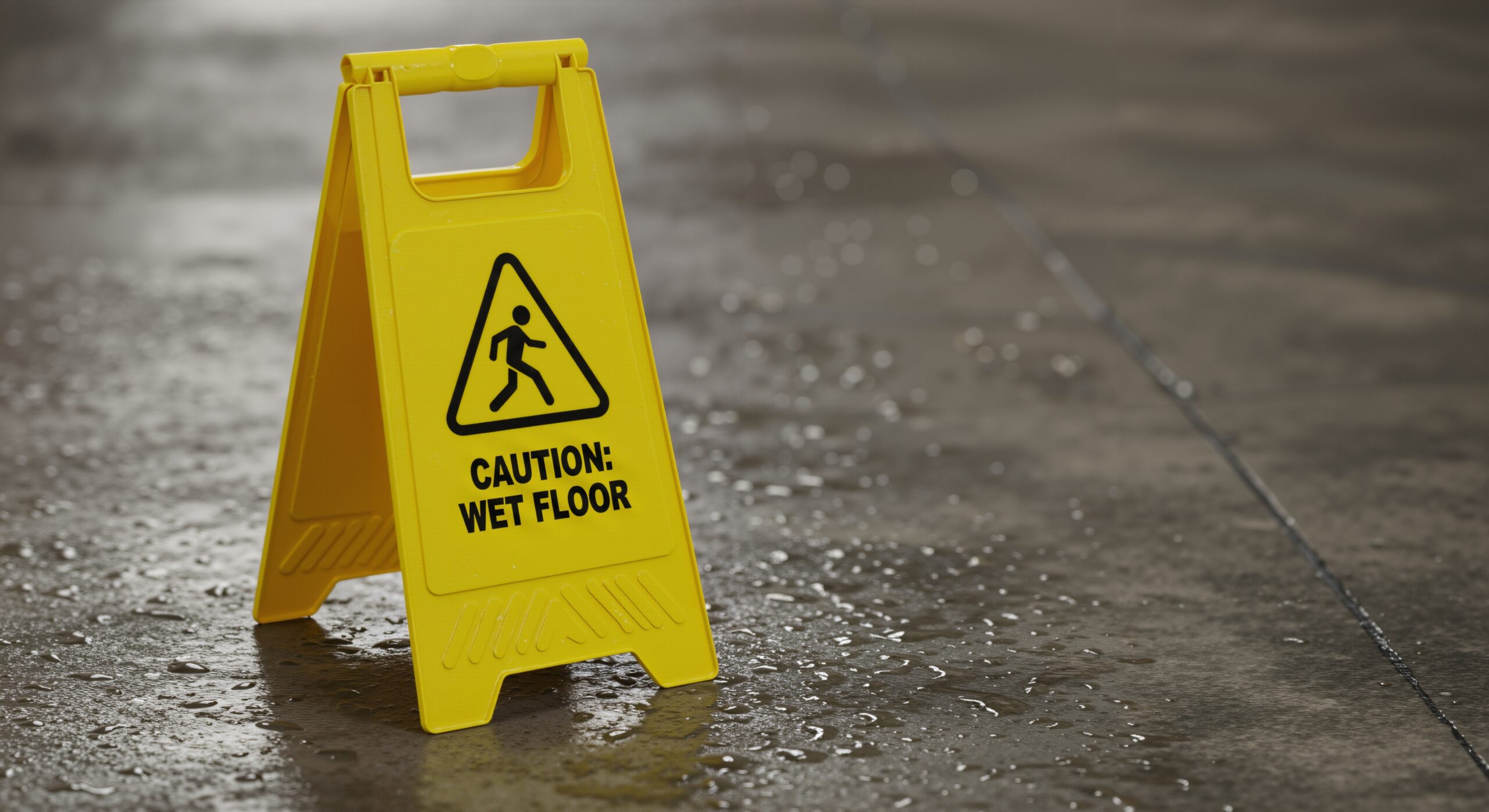
Imagine stepping into a New York City building and finding a wet floor with no warning sign, or starting down a staircase where a broken step gives way without notice. These moments last only seconds, but the injuries that follow can affect a person for months or years. When someone is hurt because a property was not properly maintained, the question of who bears responsibility often feels unclear.
At Gray Injury Law, we help injured New Yorkers understand exactly what duty a property owner owed them and whether that duty was broken. Premises liability claims rest on legal standards that most people never learn until after they are hurt, and understanding those standards early can shape the outcome of a case.
The Legal Duty Property Owners Owe Visitors in New York
New York holds property owners to a single standard of reasonable care under the circumstances, regardless of whether a visitor is a customer, a tenant, or a guest. This means an owner must keep the property in a reasonably safe condition and address hazards that a careful inspection would reveal. The duty is not absolute. An owner is not automatically responsible every time someone is hurt on their property; instead, the law looks at what a reasonably careful owner would have done given the same circumstances.
Several factors shape whether a duty was breached, including how foreseeable the harm was, how severe an injury could result, and how burdensome it would have been for the owner to fix the hazard or warn visitors about it. Courts also weigh whether the property owner had control over the area where the injury occurred, since a landlord’s duty can differ from that of a tenant or a commercial operator leasing space within a larger building. These questions form the foundation of nearly every premises liability case in New York.
Common Hazards That Trigger a Property Owner’s Duty
Slip and fall accidents are among the most frequent premises liability claims in Manhattan, often stemming from unaddressed snow and ice accumulation or spills left uncleaned for too long. Staircases present another recurring hazard, especially in older buildings where broken or poorly lit staircases go unrepaired for months. Apartment complexes and commercial buildings can also face liability when inadequate security allows a preventable assault to occur on the premises.
Establishing Notice of a Hazard
Determining whether a property owner is liable often comes down to notice, meaning whether the owner knew or should have known about the hazard. Courts weigh several factors when deciding this question.
They typically consider:
- Whether the hazard existed long enough for a reasonable inspection to have caught it
- Whether the property owner created the dangerous condition directly
- Whether similar incidents had happened at the property before
- Whether maintenance and inspection records reflect ongoing neglect
These factors help establish a timeline of what the owner knew and when, which becomes central to building a strong premises liability claim.
Proving Negligence in a New York Premises Liability Claim
A successful premises liability claim generally requires proof of four elements: the owner owed a duty of care, the owner breached that duty, the breach caused the injury, and the injury resulted in real damages. Falls remain a leading cause of injury nationwide, and older adults are especially vulnerable to serious harm from preventable falls on unsafe property, according to the CDC.
New York also imposes a statute of limitations on personal injury claims, so victims generally have a limited window to pursue compensation after an accident. This makes it important to gather evidence such as photographs, incident reports, and witness statements as early as possible, since hazards like ice or debris are often cleared away within hours of an accident. Premises liability also covers dog bites and animal attacks when an owner fails to control a known dangerous animal, another category where notice and prior incidents often decide the outcome of a claim. Insurance carriers representing property owners frequently dispute notice and causation, which is why a documented timeline matters so much to the strength of a claim.
Contact Gray Injury Law About Your Premises Liability Claim
Since 1996, Gray Injury Law has represented injured New Yorkers from our original storefront location in Manhattan, one of the few personal injury firms still rooted in the neighborhood it serves. Mark Gray and our team have spent decades building strong settlements for clients hurt by negligent property owners, and we treat every client the way we would want our own family treated after an injury.
If you were hurt because a property owner failed to address a known hazard, you do not have to sort out the legal standards on your own. Our team can review the details of your accident, explain how New York’s duty of care applies to your situation, and pursue the compensation you are owed by reaching out through our contact form.
Contact Us
Contact
"*" indicates required fields